Programs Financial Services
Production Loans
A production loan empowers smallholder farmers by providing crucial credit to invest in enhanced seeds, fertilizer, pesticides, farm labor, and equipment, ultimately boosting farm yields. The loan structure revolves around the seasonal cash flow of farmers, ensuring timely access to credit and allowing repayments post-harvest.
Production Loan Client
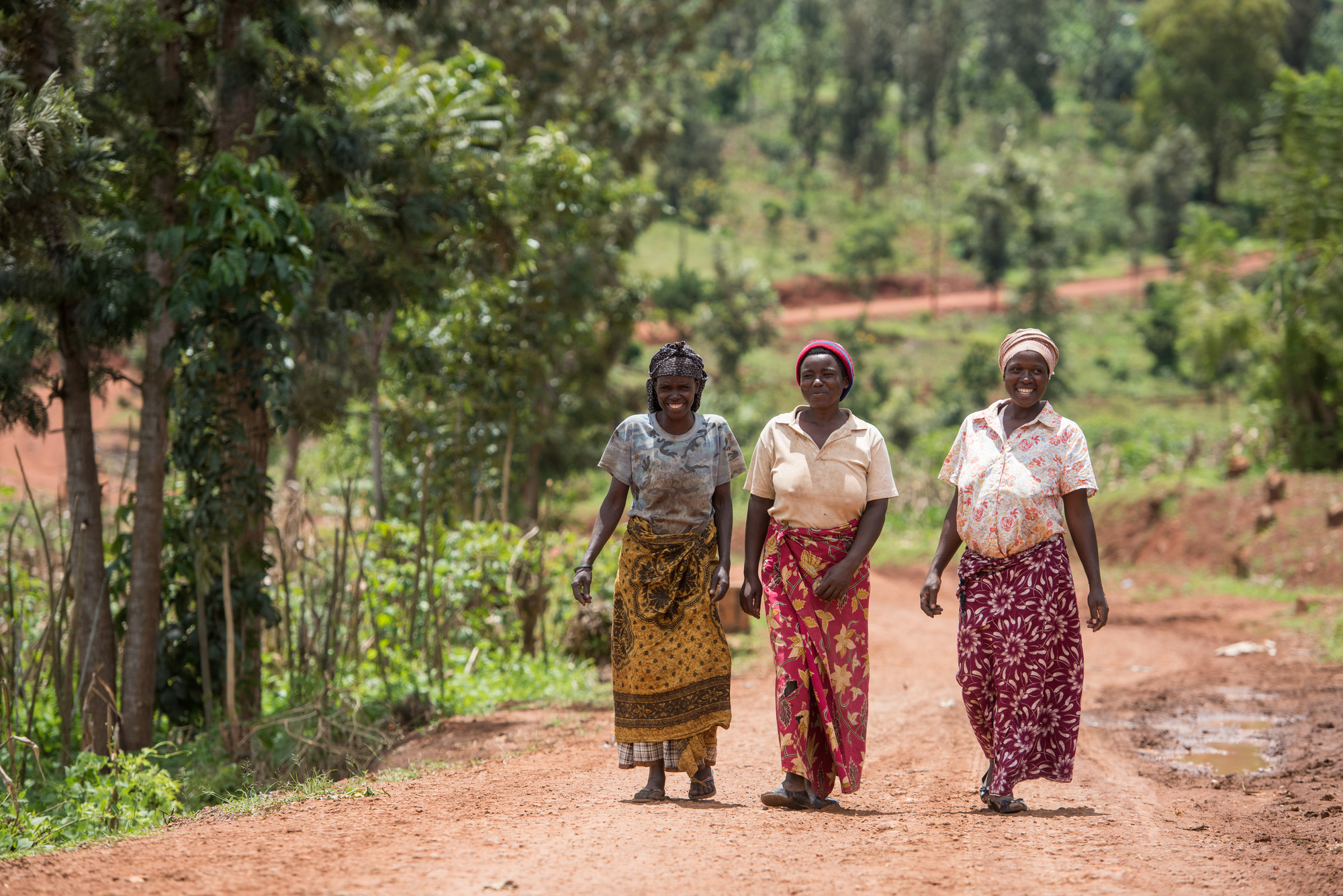
Profile Smallholder farmers, who typically operate on farms of five acres or less, cultivate various crops for consumption and as their primary income source. These families, often among the most impoverished and food insecure due to limited rural services, can benefit significantly from production loans.
Loan Tenure
Tailored to the agricultural cycle, staple crops like maize or rice, with 1–2 harvests annually, align with shorter 6-month loan tenures. Commercial crops such as cocoa and coffee, featuring longer cycles, have extended loan tenures ranging from 12–18 months.
Sustainability
Each loan structure addresses the specific production capacity and costs of individual households, preventing over-indebtedness and ensuring profitability at the season’s end. Coupled with training in Good Agricultural Practices, farmers gain both capital and knowledge to enhance productivity and revenues. This not only elevates the lives of smallholder farmers but also enables financial institutions to expand digital financial services, reducing costs associated with serving clients in remote regions.
Loan Amount
Loan disbursement caters to two primary types:
- Group Loans: Farmers with limited assets or no credit history receive group loans, where mutual guarantees substitute collateral. Group loans typically range from $50–$2,200 per farmer.
- Individual Loans: Farmers with a positive credit history qualify for individual loans, ranging from $750–$1,000.
Impact
Small farmers are using production loans to:
- Increase their incomes: With higher-yielding crops, farmers are earning more and re-investing to improve their farms, such as adding irrigation.
- Diversify their incomes: Farmers invest income in additional sources of revenue, such as goats, cows, and chickens, or starting a small side business, improving their long-term financial resiliency.
- Improve their living conditions: With surplus income, farmers will purchase new metal roofs, water purifiers, food, and healthcare. Send their children to school: Improvements in farm productivity and income mean more children can go to school instead of staying home to help on the farm.

By the NumbersAs of March 2024
Agribusiness Cooperative
Agribusiness entrepreneurs, including suppliers, agrodealers, offtakers, aggregators, warehouses, and processing facilities, face a significant challenge in securing adequate capital to expand their operations. Micro, small, and medium-sized enterprise (MSME) loans for agribusinesses play a crucial role in providing upfront capital to rural entrepreneurs, empowering them to purchase increased quantities of crops from farmers and other agricultural goods. Opportunity, by facilitating agribusiness expansion and outreach, strengthens the connections in rural agricultural markets, ensuring farmers can achieve substantial income.
Agribusiness MSME Loan Client
Profile Clients utilizing agribusiness MSME loans are typically rural entrepreneurs, often farmers or farming cooperatives, involved in bulk purchasing of supplies or crops, requiring substantial cash or capital.
Loan Tenure
MSME loans, spanning 6–36 months, are tailored to the loan size and the shelf life of agricultural goods used as collateral. For instance, an offtaker dealing with tomatoes may receive a 6–12 month loan, while coffee, with a longer shelf life, could secure a loan for 12–24 months. Additionally, agribusiness revolving lines of credit and overdraft facilities address MSME cash flow requirements.
Loan Amount
Agribusiness MSME loans typically range from $10,000–$50,000, while overdraft facilities range from $5,000–$10,000, offering a minimum 2-month line of credit.
Sustainability
Similar to production loans, agribusiness MSME loans are structured to align with the seasonal cash flow needs of agricultural businesses. This flexibility allows, for example, an aggregator to purchase more maize from farmers during harvest and make repayments after selling the maize to the next link in the value chain, such as a processing facility. Coupled with loans and business training, this approach enables agribusiness entrepreneurs to sustainably increase their revenues and repayment capacity, fostering overall growth.
Impact
In rural communities, the growth and development of agribusinesses directly leads to:
- ACCESS TO HIGHER-QUALITY INPUTS FOR SMALL FARMERS Entrepreneurs can purchase more (and better) inputs in bulk to resell to local farmers.
- HIGHER RETURNS FOR SMALL FARMERS With capital, entrepreneurs purchase more crops from farmers and much more quickly after harvest, reducing post- harvest losses for farmers.
- MORE JOBS AND FEWER HUNGRY FAMILIES IN RURAL COMMUNITIES As more activity is generated throughout agricultural markets, more jobs are created in aggregation, transportation, warehousing, and processing. More crops reach more markets efficiently, reducing the cost and increasing availability of food in high-need regions.
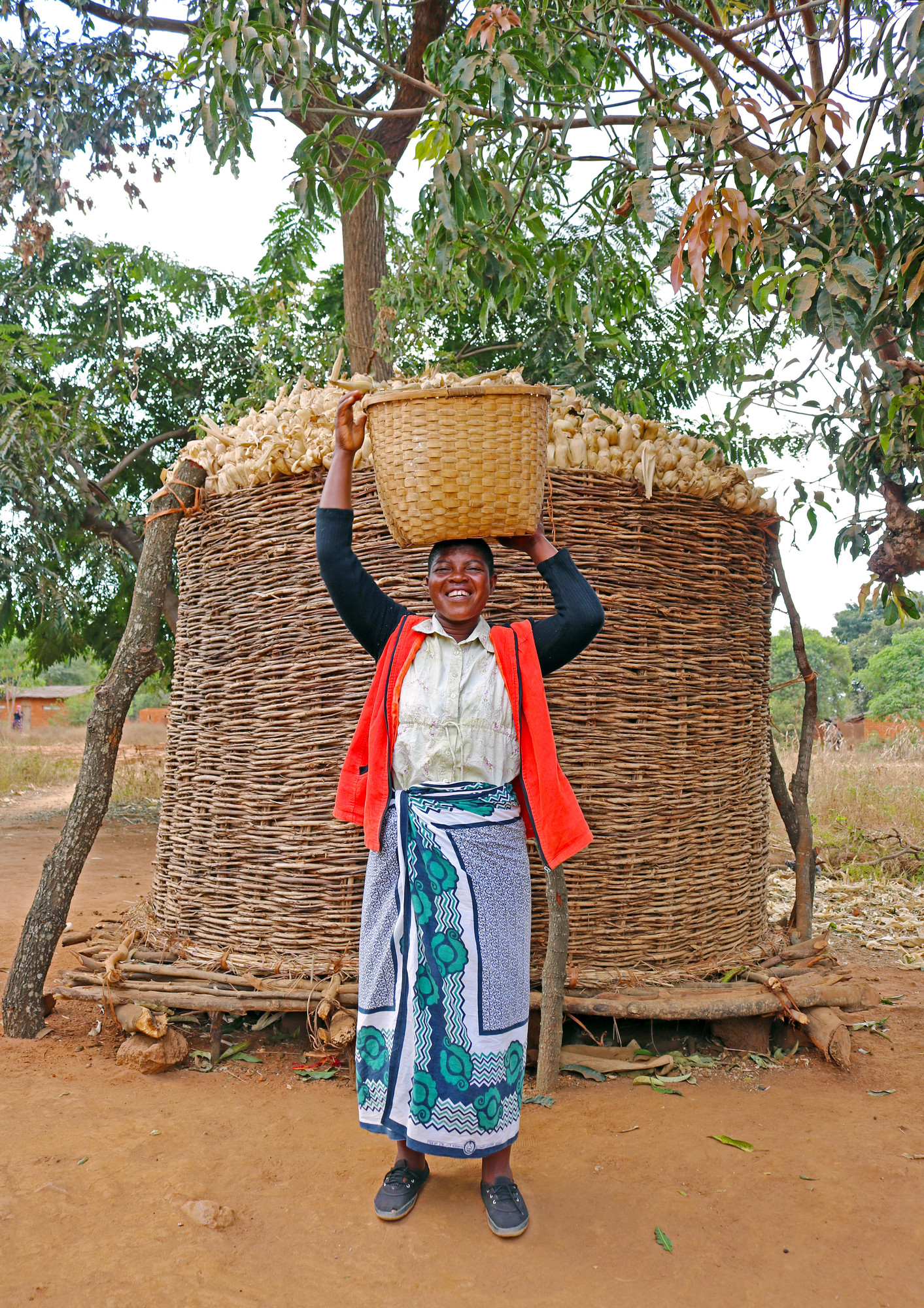
Florence Zulu on her farm in Malawi.
Loan Guarantees
Lending to the agricultural sector, which is inherently risky due to unpredictable weather and volatile crop prices, often causes financial institutions to exercise caution, especially with clients possessing limited collateral. Loan guarantee facilities mitigate this risk, accelerating lending in agriculture by partially safeguarding financial institutions against potential losses. Opportunity collaborates with financial institutions to connect them with marketplace loan guarantee facilities, such as USAID’s Community Based Financial Organization or a Loan Portfolio Guarantee funded directly by the Opportunity network.
Loan Guarantee Usage
Structured for specific purposes, such as supporting loans to women small farmers or financing climate-resilient technologies, loan guarantees operate alongside good underwriting practices. Typically covering 30- 50% of potential first loan losses, Opportunity partners with higher-risk clients or groups, facilitating broader access to financial services.
Loan Guarantee Tenure
Most loan guarantees revolve over 2–3 years, encouraging financial institutions to engage in riskier lending and gradually establish sustainable portfolios.
Loan Guarantee Sizes
Negotiated case by case, loan guarantee amounts are tailored to financial institutions’ needs, usually starting at$50,000 and occasionally reaching up to
$500,000.
Leverage
With Opportunity’s technical assistance services, financial institutions enhance their capacity to manage and grow sustainable agricultural portfolios. When combined with improved processes, product design, and digitization, loan guarantees unlock up to seven times their value in funds disbursed to farmers and agribusinesses.
Impact
A loan guarantee equips a financial institution to:
- Increase Agricultural Lending: Financial institutions can provide more agricultural loans while maintaining sustainability and mitigating risk.
- Enhance Economic Inclusion: Especially for women without land ownership, loan guarantees secure a portion of their loans, facilitating quicker access to finance.
- Support ‘Missing Middle’ Agribusinesses: Small rural agribusinesses benefit from larger lines of credit, increasing liquidity during key periods.